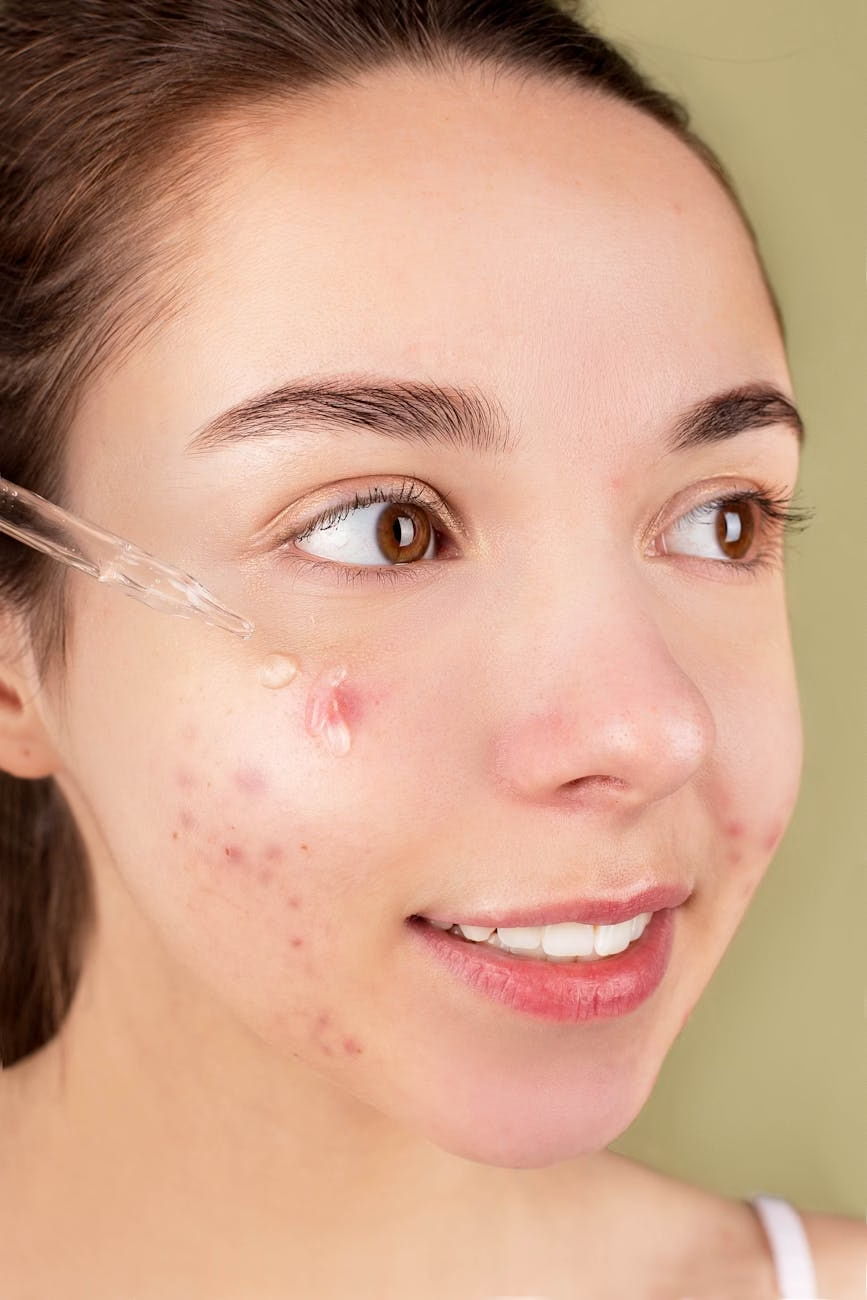
Avoiding acne and blemishes involves a combination of the right skincare habits, diet choices, and lifestyle adjustments. Here’s a practical guide that synthesizes science-backed advice and expert recommendations for clearer, healthier skin.
1. Follow a Gentle Skincare Routine
- Cleanse Regularly: Wash your face twice daily (morning and night) with a mild, non-comedogenic cleanser to remove excess oil, dirt, and sweat. Avoid harsh scrubs or over-washing, which can irritate skin and worsen acne.
- Moisturize: Use an oil-free, non-comedogenic moisturizer—skipping moisturizer can dry out your skin, leading it to produce more oil, which may worsen acne.
- Sunscreen: Always apply a broad-spectrum, oil-free sunscreen (SPF 30 or higher) that’s labeled non-comedogenic. Sun damage can worsen blemishes and cause dark spots.
- Avoid Alcohol-Based Products: Steer clear of toners and products with alcohol that may irritate or dry out your skin.
- Remove Makeup: Take off all makeup before bed using a gentle, oil-free remover.
2. Be Mindful of What Touches Your Skin
- Hands Off: Avoid touching your face, as this spreads oil and dirt, increasing breakouts.
- Don’t Pop Pimples: Picking or squeezing can intensify inflammation and cause scarring.
- Clean Pillowcases and Sheets: Change these at least weekly to reduce exposure to oil and dirt while you sleep.
- Watch Hair Products: Keep hair clean, off your face, and avoid oily hair products that can transfer to skin.
3. Address Acne-Prone Areas Correctly
- Use water-based, non-comedogenic makeup and facial products. see products
- If you shave, use clean blades and go in the direction of hair growth to avoid irritating existing pimples.
4. Consider Your Diet
- Limit High-Glycemic Foods: Foods like white bread, sugary snacks, and processed carbs spike blood sugar and can trigger acne. Favored foods include whole grains, vegetables, and foods rich in omega-3s (like fish and walnuts).
- Dairy Awareness: Some individuals find reducing milk, cheese, and ice cream helps, as dairy may affect hormones related to acne.
- Avoid Fast Food: Greasy, heavily processed foods can increase inflammation, potentially worsening acne.
- Alcohol: Drink in moderation—alcohol can increase skin inflammation and hormonal imbalance.
5. Use Over-the-Counter and Professional Treatments Wisely
- Benzoyl Peroxide & Salicylic Acid: Each helps to kill bacteria or unclog pores and is available in washes, creams, and gels.
- Retinoids (like adapalene): These help skin cells renew faster and keep pores clear, but may cause dryness or irritation. Always use at night and follow with sunscreen during the day.
- Consult a Dermatologist: For persistent or severe acne, seek expert advice. They may recommend prescription medications or therapies like antibiotics, hormone treatments, or phototherapy.
6. Manage Stress and Other Factors
- Stress: High levels of stress can make acne worse. Practice relaxation, exercise, and healthy sleep habits as part of your routine.
- Hydrate: Drink enough water to keep your skin healthy and support the body’s detoxification processes.
Practical Tips to Remember
- Choose products labeled “non-comedogenic,” “oil-free,” and “hypoallergenic.”
- Establish (and stick to) a skincare routine—avoid switching products too frequently.
- Protect your skin from both environmental irritants and unnecessary physical contact.
Adopting gentle skincare, eating well, and addressing lifestyle factors is key to preventing breakouts and blemishes. While genetics and hormones play a role, these steps can substantially reduce your risk and support a clearer complexion
Here’s a list of key chemicals and how they help prevent or treat acne
1. Benzoyl Peroxide
- How it works: Kills acne-causing bacteria (Propionibacterium acnes), reduces excess oil, and helps remove dead skin cells that can clog pores.
- Where to find it: Over-the-counter gels, creams, and cleansers (usually 2.5% to 10% strength).
- Notes: May cause dryness or irritation. Opt for lower strengths if you have sensitive skin.
2. Salicylic Acid
- How it works: A beta hydroxy acid (BHA) that unclogs pores, exfoliates dead skin, fights inflammation, and reduces blackheads and whiteheads.
- Where to find it: Available in washes, creams, leave-on treatments (0.5% to 2%).
- Notes: Helps in both preventing and treating breakouts.
3. Retinoids (including Retinol, Adapalene, Tretinoin)
- How they work: Speed up cell turnover, unclog pores, and reduce inflammation—helping to prevent new acne and fade post-acne marks.
- Where to find it: Prescription formulas and over-the-counter options (like adapalene gel 0.1%).
- Notes: Best used at night and gradually introduced to avoid irritation.
4. Alpha Hydroxy Acids (AHAs)
- Examples: Glycolic acid, Lactic acid.
- How they work: Exfoliate surface skin, remove dead cells, and encourage new skin growth, improving the appearance of acne scars and reducing clogged pores.
- Where to find it: Many exfoliating cleansers, toners, and serums.
5. Azelaic Acid
- How it works: Has antibacterial and anti-inflammatory properties. Helps prevent pores from clogging and evens out skin tone by reducing hyperpigmentation.
- Where to find it: Creams and gels, often at 10% strength.
6. Niacinamide (Vitamin B3)
- How it works: Reduces oil production, inflammation, and redness; strengthens skin’s barrier and fades post-acne dark marks.
- Where to find it: Serums, moisturizers, and spot treatments.
Additional Practical Tips
- Look for products labeled non-comedogenic (won’t clog pores) and oil-free.
- Introduce one new chemical at a time to avoid irritation and to identify the most effective for your skin.
- Always use sunscreen when applying acids or retinoids as they can increase photosensitivity.
Using these proven ingredients—alone or in combinations suited for your skin type and sensitivity—can help keep acne and blemishes under control when paired with a healthy routine
buy products now as per the skin problem